All Change: The Future of Autonomous Light Rail
Urban transport solutions are growing in popularity. But how can the industry adapt successfully to the changes along the tracks?
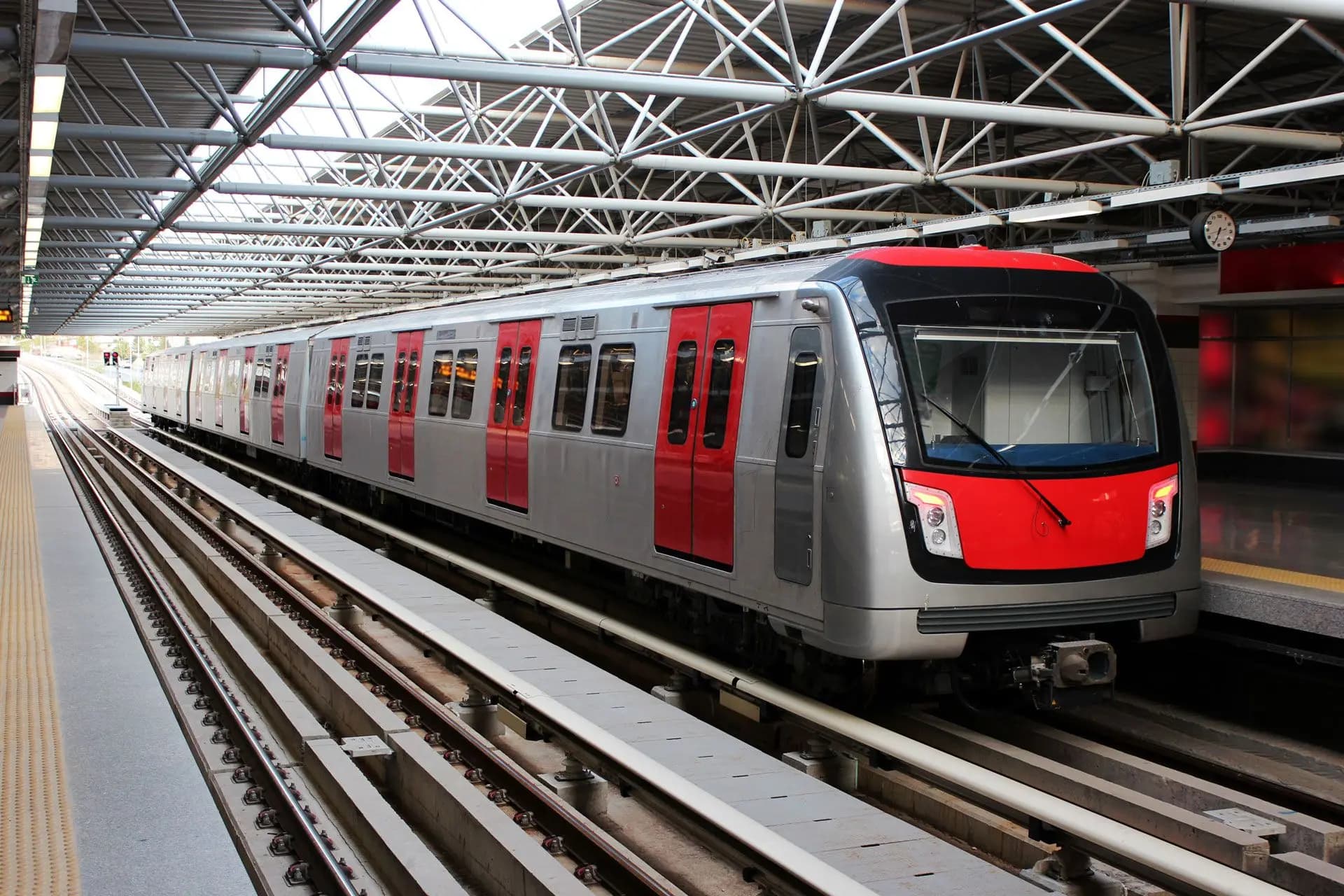
The number of people using light rail in the UK continues to rise. Over 272 million passenger journeys were made on light rail services in 2018/19, a year-on-year increase of 1.9%. The picture is similar across Europe, with ridership increasing by 6.9% between 2015 and 2018. In some locations, light rail is an integral part of public transport infrastructure, allowing easy commuting while opening numerous possibilities for urban planning and environmentally-friendly transportation development.
This is coupled with exponential market growth in automated rail solutions, which have come to dominate light rail networks. It’s forecast that the autonomous rail market will grow to $9.69 billion globally by 2023, with a CAGR of 9.8%.
With such strong market growth, change is to be expected. But what kind of changes do automated solutions promise to bring to the light rail industry? And how do environmental concerns and the ongoing coronavirus pandemic influence these developments?
Managing Capacity
Capacity has always been a major issue on urban transport networks. As city populations increase, operators must balance the need to increase capacity with other concerns, particularly environmental considerations. Automation could provide the key to resolving this issue.
One way to increase capacity is through certain types of train control systems. Many light rail networks use communications-based train control (CBTC), which—through onboard and limited trackside wireless equipment—provides real-time positioning and signaling information to both the driver and the control center. CBTC enables reduced headway between trains, thus increasing capacity.
Moving Towards Autonomy
When it comes to autonomous light rail, the key development in the industry is AI. This can range from improving train performance to reducing the impact of maintenance on services. Tools such as Light Detection and Ranging (LIDAR) systems monitor the speed of rolling stock and make quick assessments of tracks across the network to identify potential faults.
Alongside maintenance solutions, light rail networks can reduce operational costs through adopting autonomous operation models. In Norway, the Bybanen Bergen light railway aims to leverage autonomous technology to reduce the total cost per passenger. Changes to signaling, including the removal of the control center (as human error would no longer be an issue through automatic train operation, or ATO), and increased capacity through reduced train headway, are being trialed to determine effectiveness.
The Future is Eco-Friendly
Naturally, the move toward automated urban transport will have several positive environmental implications. The increase in automated people movers (APMs) signifies the desire for quick, easy, and eco-friendly transport.
While electric-powered vehicles are a starting point for reducing pollution, APMs offer more than this alone. They are considerably cheaper to build than larger vehicles while capable of faster speeds, making them useful for airport transit and similar applications.
On a broader level, APMs may encourage changes in passenger travel habits, covering very short connecting journeys. For instance, an APM is planned to accompany the HS2 high-speed railway line in the UK, transferring passengers from the mainline to Birmingham International Airport and the National Exhibition Centre (NEC). This scenario, common for APM adoption, will likely discourage usage of less environmentally-friendly modes of transport, such as buses or private cars, cumulatively benefiting local urban environments.
Test to Track
The forecast growth in the autonomous light rail market means that demand for software components used on rolling stock will likely increase, leading to higher demand for testing solutions.
New software for rolling stock will need to be assessed under the CENELEC standards governing rail software safety, namely EN 50128. This may include software enabling contactless passenger door operation via automatic selective door operation (ASDO). ASDO enables certain train doors to open automatically and is already in use on many light rail networks. The system is built to Safety Integrity Level (SIL) 2 standards, which define its reliability and safety requirements—critical, as passenger door failures could lead to injuries or fatalities.
Autonomous light rail will play an important role in the future of urban transportation. It is not only an eco-friendly alternative to traditional public transport but also provides rapid, reliable service modern commuters demand. Its ability to boost capacity and automate maintenance processes also limits human contact—an important consideration during the coronavirus pandemic. Despite the downturn caused by the pandemic, the sector is expected to rebound with renewed strength and vigor.