EV-olving Demand: The SAPC Response to Changing Consumption
The way people use energy in their homes and businesses is changing. Learn how SAPC is being introduced to meet this challenge.
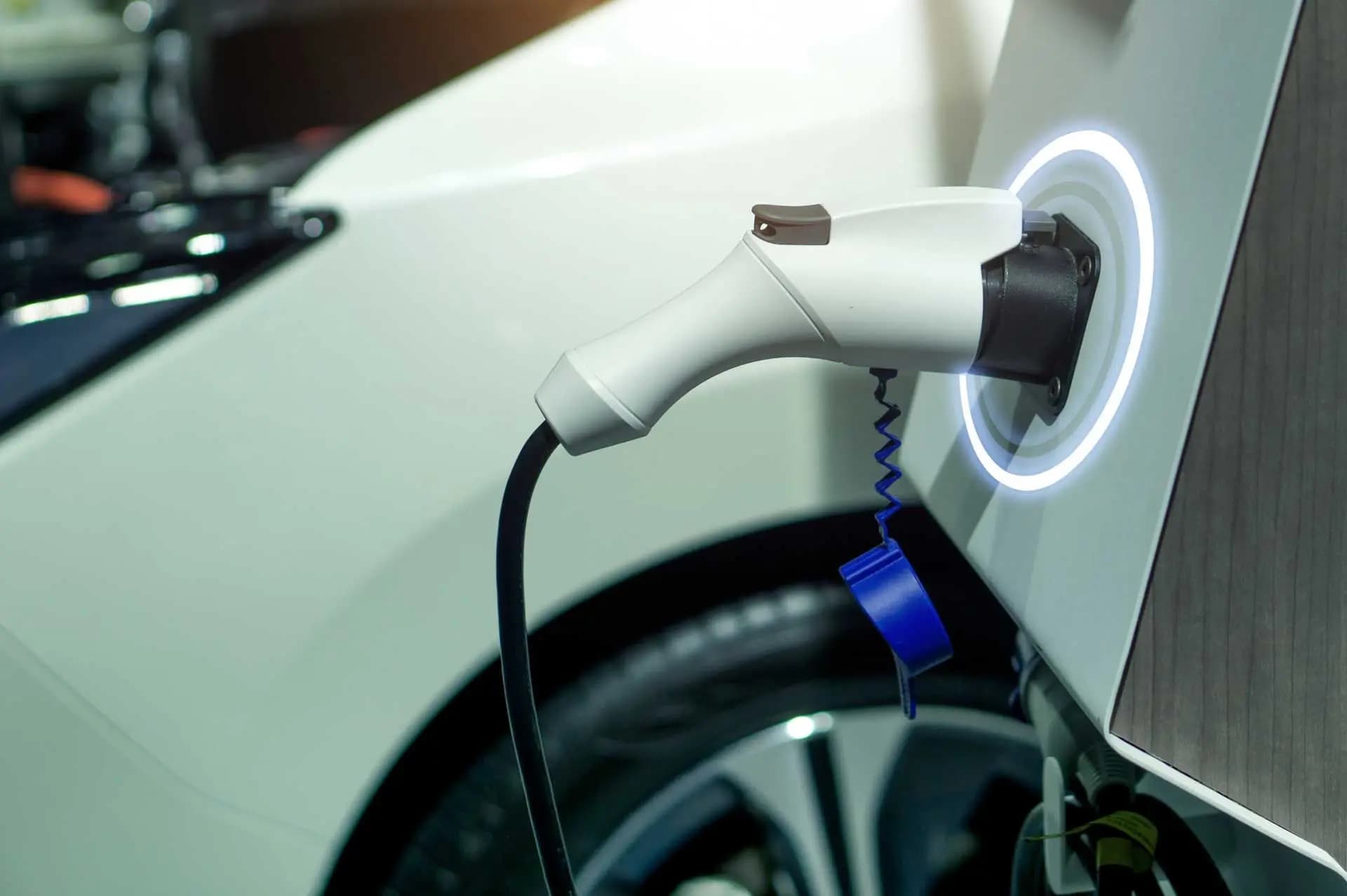
The way we consume energy, and the things we do that consume energy, have changed drastically in recent years.
From smart buildings to electric vehicles, electricity grids are under greater pressure to respond to consumers’ needs. Registrations for pure EVs increased by a significant 127% in the UK between September 2019 and September 2020, with this upward trajectory set to continue in the years ahead.
The challenge faced by distribution network operators (or DNOs), utility providers, smart meter manufacturers, and consumers is broadly similar: how can this additional consumption be managed safely without risking grid integrity?
Introducing Standalone Auxiliary Proportional Controllers (SAPC for short), the latest innovation to be implemented as part of smart metering in the UK by the Data Communications Company. These controllers enable network operators, energy suppliers, and consumers to manage electricity loads across multiple high-power-demand devices such as EVs, balancing the needs of the grid infrastructure with those of the consumer. Having an SAPC device as part of a home’s smart meter system will soon become a mandatory requirement in the UK. This will help ensure the grid can carefully control and balance load demand.
While the broader benefits experienced by DNOs, utility providers, smart meter manufacturers, and users may be similar, each will experience the impact of SAPC in slightly different ways. How can each navigate the greater control and autonomy SAPC grants users?
Distribution network operators
DNOs are responsible for the volumes of energy distributed across the network, so the increased demand from modern energy usage—as well as the control that SAPC introduces—will have an impact on network capacity. Activities like charging EVs require large amounts of energy, meaning DNOs will need to be prepared to manage this in a way that minimizes the risk of supply disruption.
DNOs will face several key considerations with the forthcoming introduction of SAPC, including:
Is the infrastructure within the DNO’s network suitable to manage the increased electricity loads that EV charging will demand?
How will SAPC help balance electricity loads across the network?
Can excess energy be returned to the grid efficiently?
As both utility providers and consumers become more energy-conscious, the ability of DNOs to manage energy flow will become increasingly integral to everyday operations. It will be essential for DNOs and energy suppliers to ensure sufficient energy supply across the network.
Smart meter manufacturers
Smart meter manufacturers will need to ensure they are SAPC-ready by having standalone or fully integrated proportional controllers, enabling the management of energy flows to high-demand devices such as EVs and home energy storage systems. Critical has already created the software that will enable the required control.
It may also be necessary for In-Home Displays (IHDs) to show rates of energy flow to the home and to devices connected via a proportional controller. This will help homeowners better understand and manage their energy consumption.
Utility providers
Utility providers will need to manage increasing electricity demand, as with smart meter manufacturers, but they will also need to find ways to effectively present this to their customers. They must ensure they can extract data about customer consumption, which can then be used to create attractive tariffs based on real-time usage.
As more digitally savvy competitors emerge and customers become accustomed to pricing linked to real-time energy usage, demand for greater control over energy consumption will grow. Offering deals based on real-time data will allow established providers to remain competitive.
SAPC: a requirement for the future
SAPCs offer a more energy-efficient future for DNOs, smart meter manufacturers, utility providers, and users. However, integrating them into smart meters—set to become mandatory in the UK within the next two years—will introduce significant infrastructure and control challenges.
That’s why it is essential for manufacturers, network operators, and energy suppliers to prepare for the upcoming SAPC requirement.
Discover what SAPC will mean for your meters and networks, and how Critical Software can help you adapt to these changes by booking a 20-minute conversation with one of our SAPC experts below.