Industry Voices: The Regulatory Maze of MedTech, Insights from Amanda Maxwell
Amanda Maxwell shares insights on evolving EU and UK MedTech regulations, their industry impact, and emerging opportunities.
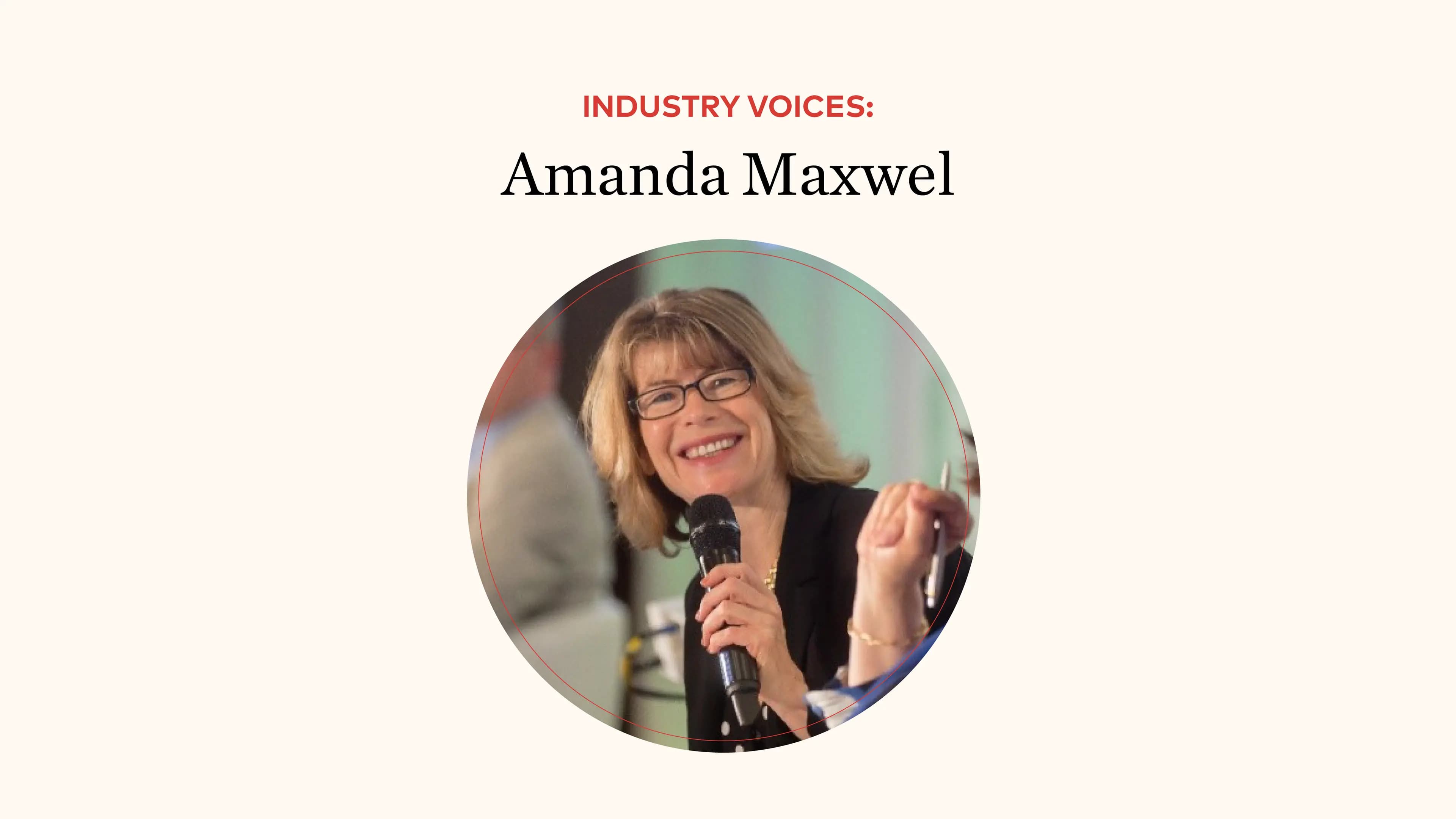
Amanda Maxwell is EU MedTech Regulatory Affairs Editor at Medtech Insight, where she has been reporting on EU regulations since their inception. As part of our “Industry Voices” series, she offers a front-row view of shifting regulatory tides and the market changes that follow.
We sat down with Amanda to explore the current state of EU and UK regulations, how they are reshaping the MedTech industry, and where opportunities still exist for those ready to navigate the maze.
“In the ’90s, many medical devices weren’t regulated at all in the EU. Now the system is so complex, it’s pushing innovation out.”
From Common Framework to Complex Burden
EU medical device regulation was originally designed to unify fragmented national systems and enable safe, cross-border trade. But with the arrival of MDR and IVDR, the bar has been raised—particularly for higher-risk devices.
As a result, compliance has become not only more complex but also more expensive. Products are being withdrawn, not due to safety concerns, but because keeping them on the market simply isn’t worth the cost or regulatory burden.
“Innovation is slowing. Some companies are going straight to the US instead.”
Brexit: Divergence in Motion
(This section includes contributions from Ashley Yeo)
Since Brexit, Great Britain has retained the older EU directives, while Northern Ireland follows the newer MDR/IVDR—effectively creating two systems within one nation.
The UK’s Medicines and Healthcare products Regulatory Agency (MHRA) is now modernizing regulations through reforms like the 2025 Post-Market Surveillance SI, which mandates faster incident reporting and stricter oversight. There is also a push toward more proportionate regulation for IVDs and AI-based devices—including proposals for international device recognition (e.g., US, Canada, Australia).
“We’re seeing more flexibility in the UK—but also more complexity for manufacturers operating in both regions.”
And for EU manufacturers, there is a silver lining: the UK is consulting on allowing CE-marked devices to remain on the Great Britain market indefinitely beyond 2030.
When AI Meets MDR: A Misfit?
AI and digital health are advancing rapidly, but regulatory systems were not built for them. MDR still applies traditional frameworks to AI-based devices, often without the nuance required for software-driven innovation.
“Right now, the EU treats an AI-powered device like a toaster with code.”
The regulatory landscape is particularly challenging for startups. Between GDPR, the AI Act, the Cyber Resilience Act, and MDR/IVDR themselves, the cost and time required can overwhelm smaller players.
“There’s opportunity—but only for companies with the funding, expertise, and strategy to survive the complexity.”
Global (Dis)Alignment
The International Medical Device Regulators Forum (IMDRF) has made real progress in harmonizing global standards, but politics are getting in the way.
“We’ve gone from the FDA being stricter than the EU to the opposite—and with current political shifts, further divergence seems likely.”
If the US continues on a path of deregulation, it could attract more MedTech companies away from the EU. Yet EU-certified devices still carry a reputational advantage—for now.
What’s Holding EU MedTech Back?
According to Amanda, there are three critical, interconnected challenges:
Regulatory Overload: Too many overlapping rules (AI, environmental, digital health) and excessive documentation, especially for smaller companies.
The US/EU Divide: The US is leaning toward simplicity, while the EU tightens regulation. This imbalance may reshape global strategies depending on political leadership.
The Call for Reform: There is growing pressure within the EU to simplify its regulatory framework, but any changes will take time and may create short-term disruption.
A Consultant’s View from the Inside
Amanda’s work as a regulatory consultant gave her a deeper understanding of how companies—from startups to multinationals—experience regulatory burden.
“Even large companies struggle to stay up to date. Most end up bringing in consultants because the landscape is just too fast-moving and complex.”
And it’s not just about staying compliant—it’s about building internal understanding, aligning strategy, and making smart, forward-looking decisions.
Special thanks to Ashley Yeo for contributions to the Brexit and UK regulation section of this article.