Interoperability: From Buzzword to Backbone
Discover how Critical Software solutions use Service-oriented Device Connectivity and open standards to drive medical device interoperability.
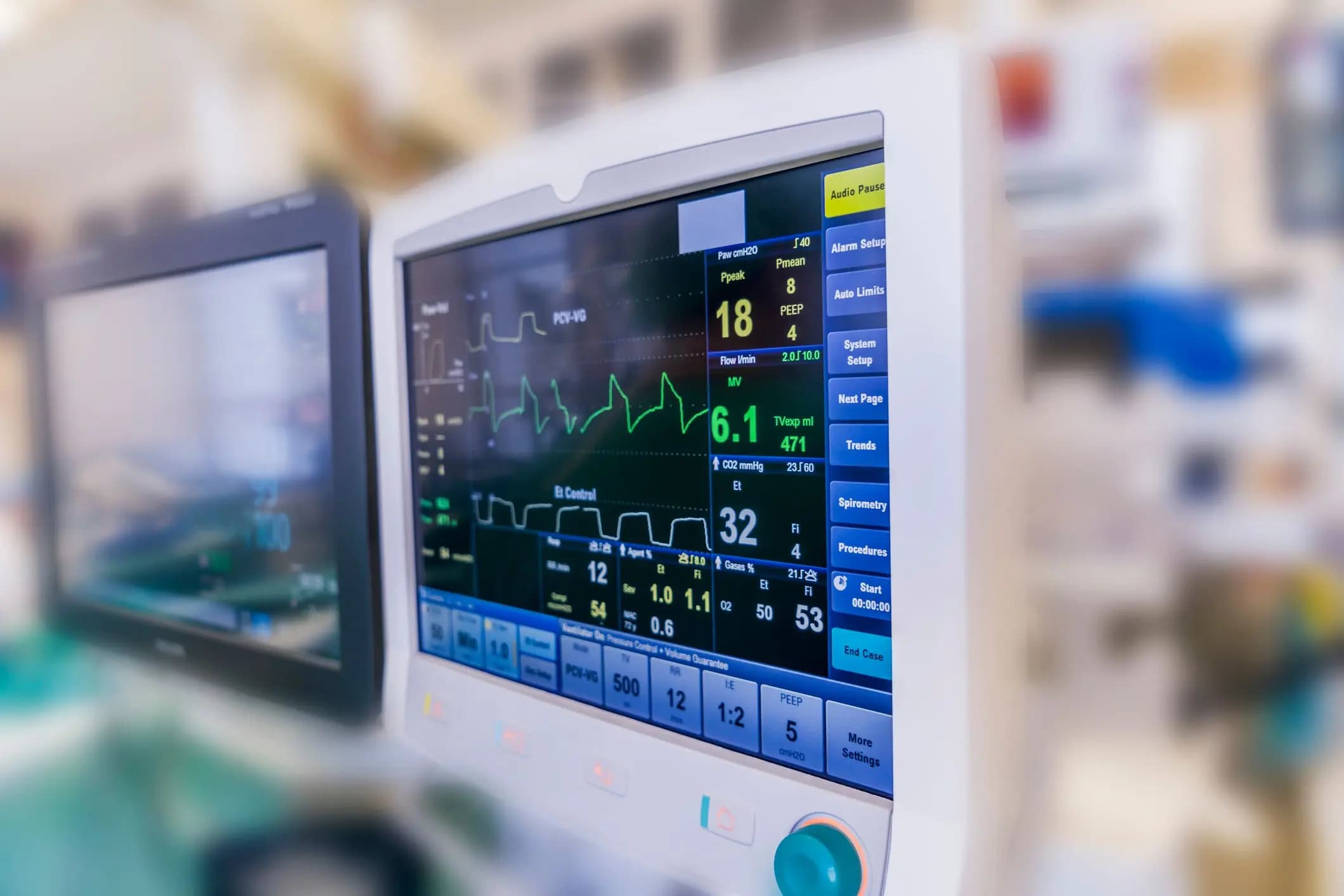
Medical devices are getting smarter, but they still are not communicating with each other. In hospitals everywhere, critical systems operate side by side—disconnected. Data is retyped, duplicated, or lost. Workflows slow down. Risks increase. Innovation stalls.
The problem is not the technology, but the lack of a shared language. Proprietary protocols and closed ecosystems make integration a complex and expensive process. And yet, the future of healthcare depends on exactly that: seamless, real-time communication between devices, systems, and teams.
That is where Service-oriented Device Connectivity (SDC) comes in. Built on open standards such as IEEE 11073, SDC enables vendor-neutral device integration, dynamic discovery, and coordinated data exchange.
Breaking Down Interoperability Barriers with Open Standards
Despite significant technological advances, hospitals often struggle with fragmented data and disconnected workflows. Interoperability lies at the core of this challenge. Clinicians and engineers regularly encounter devices that cannot communicate with one another, creating inefficiencies and limiting opportunities for innovation.
SDC is more than a protocol; it is a framework for connection. By adopting open standards such as IEEE 11073, SDC enables devices to dynamically discover each other and exchange data in real time.
This vendor-neutral approach allows hospitals to create flexible, scalable ecosystems where every device contributes to safer, smarter patient care.
Why It Matters for Manufacturers
Hospitals are demanding flexibility, scalability, and connected care—interoperability is no longer optional; it is a strategic enabler. Being part of an ecosystem is far more valuable than operating outside of one.
With Service-oriented Device Connectivity, manufacturers can:
Support safer ICUs, smarter operating rooms, and scalable remote care
Reduce integration costs and simplify system upgrades
Accelerate deployment across diverse hospital environments
Enable AI-powered decision support and automated documentation
Improve clinical efficiency through real-time data exchange
Position their products within a growing, vendor-neutral ecosystem
Manufacturers that implement SDC are not merely future-proofing their products; they are joining a movement that is reshaping healthcare. Interoperability has become a strategic necessity, supporting rapid deployment, cost efficiencies, and the foundation for advanced technologies such as AI-powered decision support.
Critical Software’s Expertise in Medical Device Interoperability
At Critical Software, we believe that true innovation comes from connection.
Our latest white paper, “Enabling Medical Device Interoperability,” demonstrates how our solution—the Interoperability Bridge—helps hospitals and manufacturers overcome integration challenges by connecting legacy systems with modern platforms through standards such as SDC, HL7, FHIR, and DICOM.
It features real-world examples of connected care environments in action, explores how interoperability drives clinical efficiency and patient safety, highlights the role of open standards in accelerating innovation, and outlines practical steps to integrate legacy and modern systems. You will also discover how these foundations enable the next generation of AI-powered healthcare—from automated documentation to smarter clinical decision support.