RAMS and Railways: Preventing Human Error in Onboard Systems
RAMS analysis is a key part of CENELEC standards such as EN50126 and EN50129, which govern rail system safety in Europe. Learn how the impact of human error on system failure is not adequately defined within these standards, and how Critical Software’s recommendations can help mitigate this issue.
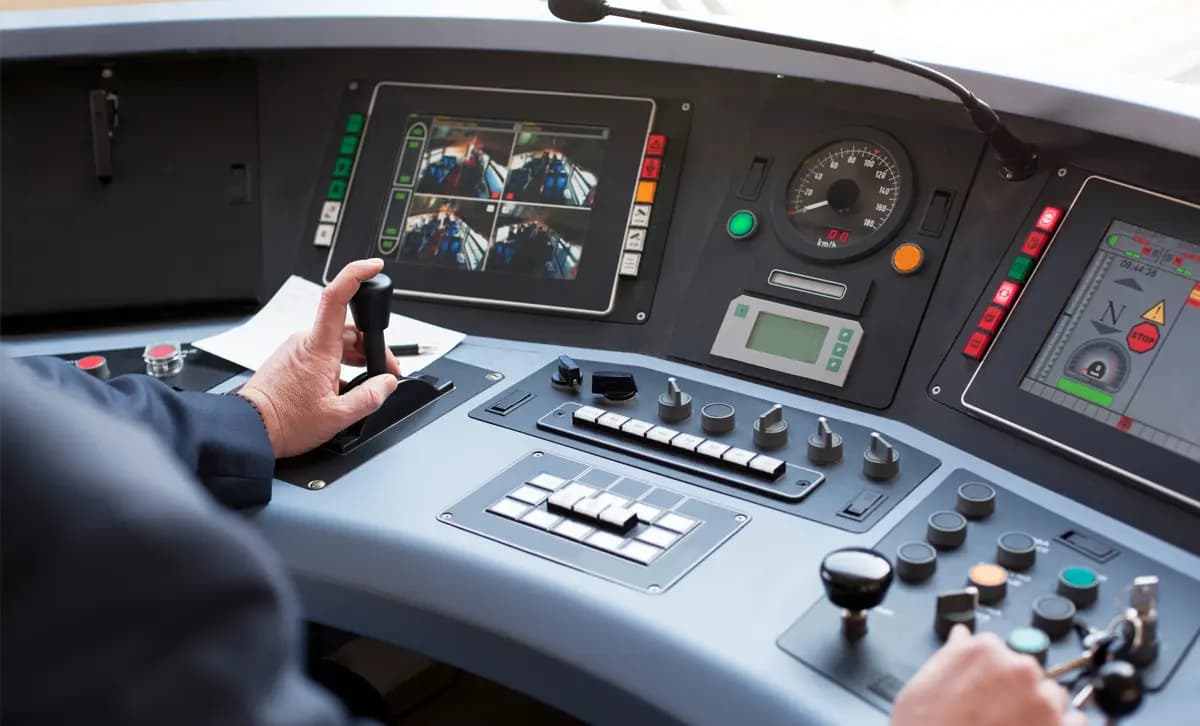
Railway accidents are often the result of multiple factors, though they frequently involve human error in some form. The CENELEC European standards, which define RAMS analysis (particularly EN50126/EN50129), clearly specify that human factors must be considered throughout the system lifecycle. For instance, EN50126 identifies certain human factors that should be addressed because they can influence the system development process.
However, both EN50126 and EN50129 do not clearly define some concepts related to how human factors can affect different stages of the system lifecycle. Here are two examples:
There is clear evidence, from studies conducted in other domains, that the most significant factor in reducing hazardous failure rates is having better domain knowledge. It is important to realize that human behavior can vary, even when presented with similar situations, and that understanding and interpretation of concepts that are not well specified will also vary substantially. Therefore, the standards must better define the level of human competence required for each stage of the system lifecycle and the competence requirements for each role, while emphasizing the need for domain knowledge.
There is also a gap in connecting human performance and organizational culture when evaluating how individuals will recognize that they are facing a hazardous situation and how they will respond. Different people will inevitably behave differently. This highlights the need for improved human behavior modeling.
Although several techniques have been employed to quantify the influence of human behavior in accident scenarios (both quantitative and qualitative approaches), none have proven fully effective for complex human behavior modeling. As rail systems become increasingly complex, considering the interaction between human performance, organizational culture, and external factors—which all influence human behavior—becomes critical.
These interactions may lead to accidents that are not caused by any component failure, making them difficult to model using traditional RAMS methodologies.
It is therefore reasonable to conclude that new strategies should be adopted to manage human errors and ensure that human factors are properly assessed, guaranteeing that hazardous situations are detected long before they can escalate into accidents.