Solving the Challenges of Embedded Software Development
Our expert in embedded software development and testing discusses the challenges faced by embedded software engineers, from finding experienced coders to ensuring sufficient quality control.
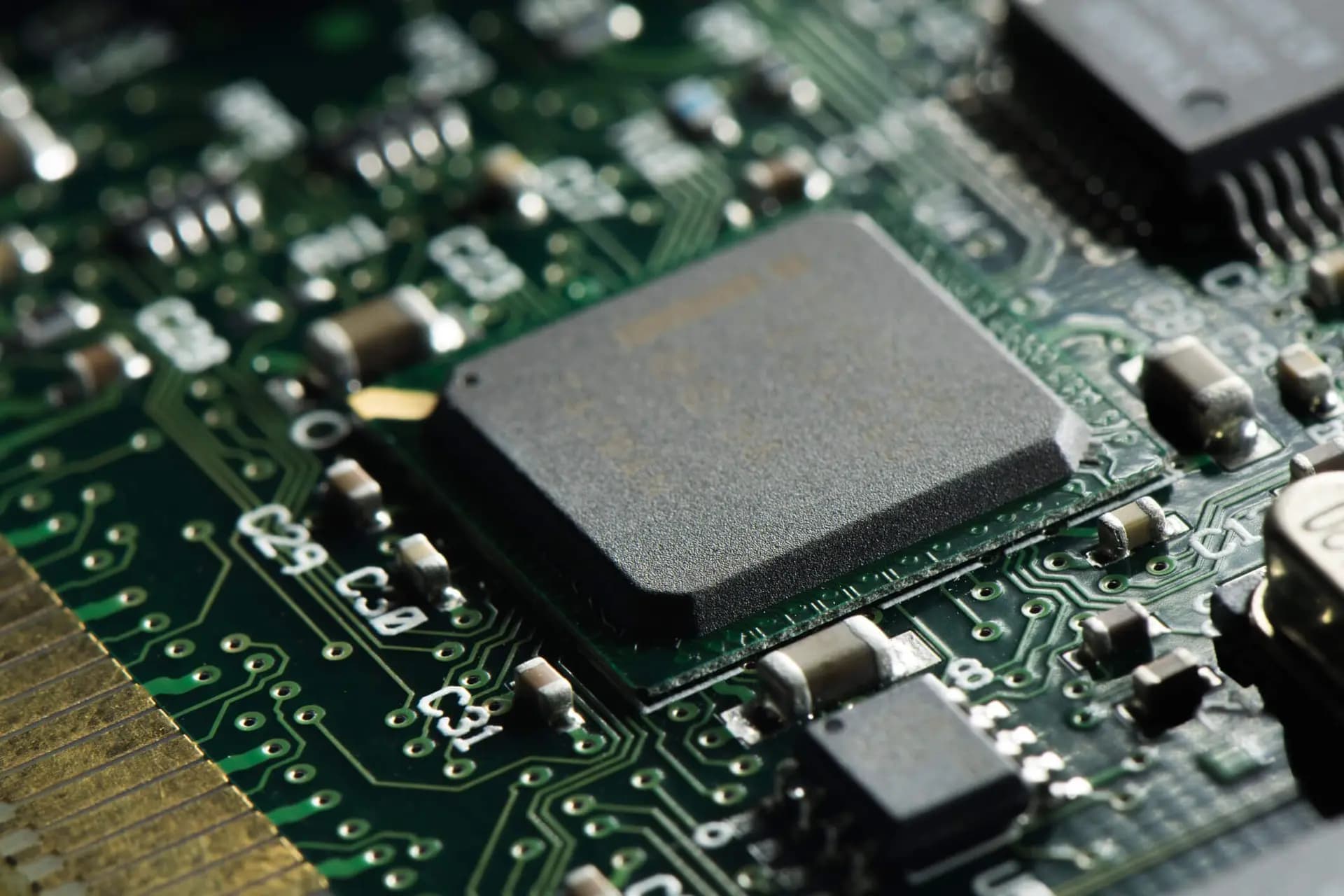
Embedded software and application development are cornerstones of modern engineering. For those who may not be entirely familiar with embedded software, it refers to software written to control a machine or device rather than a computer. It operates behind the scenes and runs on specific hardware (also known as embedded hardware).
Take the GoPro camera, for instance. The device relies on embedded software developers to make it function at a microprocessor level, while application developers create the software that allows users to create and edit the videos we watch online—such as footage of someone abseiling down a mountainside.
The challenges faced by businesses developing embedded software can be significant. Let’s outline a few of these and then explore how they can be addressed.
Challenge #1 - A Question of Performance
Embedded software was once widely taught in engineering colleges because device and computer resources were extremely limited. To implement functionality, developers had to carefully manage memory and computational processes. This discipline emphasized the importance of strong design, code quality, reliability through testing, and long-term maintainability.
Today, concerns about low-level compilation are less prominent, with more focus placed on user functionality and usability—understandably so, given the availability of powerful hardware.
However, the rise of smart technology and IoT continues to demand smaller devices and intelligent sensors. Simply adding more processing power and memory is not always cost-effective. As a result, developers are once again under pressure to optimize software performance.
Challenge #2 - Where Have All the Coders Gone?
Application development has become a more popular career path than embedded software development, largely due to the widespread use of apps in everyday life—from online banking to food delivery.
This has led to a relatively small pool of skilled embedded software developers. Engineers frequently move between companies in search of new challenges, and when they leave, valuable expertise often goes with them.
With increasing demand for embedded devices, a growing number of technology companies, and a shortage of skilled engineers, attracting and retaining talent has become a major challenge.
Challenge #3 - Quality Control
In industries such as energy, there is growing concern about the quality and reliability of embedded software and the lack of rigorous scrutiny in some development processes. This can have serious implications, especially as embedded devices become more widespread.
As automation increases, so does reliance on embedded systems—from driverless transport to home energy systems. This makes it essential to improve both development quality and testing rigor. Systems must be more reliable and secure than ever before.
An example of best practice can be seen in the MISRA (Motor Industry Software Reliability Association) guidelines, which provide a framework for high-quality embedded software development across multiple industries.
Common issues include inconsistent code quality due to high staff turnover and a lack of standardized practices. These problems often lead to costly rework and engineering fixes that could have been avoided.
Effective test quality, traceability, and testing strategies are essential to ensure long-term, cost-efficient engineering processes. Failures in field devices can damage reputations and result in significant costs.
Challenge #4 – In Testing We Trust
Another common challenge arises when device manufacturers outsource embedded software development to third parties, often due to limited in-house expertise or capacity.
In such cases, trust becomes critical. Manufacturers must be confident that the software is reliable and that testing processes are robust. However, this is not always guaranteed. While many companies deliver high-quality work, others may focus on meeting minimum requirements with limited attention to code quality.
Ultimately, embedded software development must include strong testing practices to ensure reliability and security. This introduces cost considerations, making it essential to have both specialist knowledge and a clear strategy to avoid unnecessary expenses.
The Solution – Partner Up
As we’ve seen, embedded software development presents multiple challenges—from skills shortages to quality control and testing.
One effective way for businesses to strengthen their capabilities is by partnering with experienced organizations. A strong partner can provide expertise, identify areas requiring additional resources, and supply skilled engineers when needed—reducing pressure during critical stages of development. This approach can also help control costs.
A good partner should offer proven experience in software development and testing, the ability to meet customer requirements and timelines, and the resources to deliver projects successfully.
How Can We Help You?
At Critical Software, we believe in maintaining a broad and versatile skill set—for both ourselves and our customers. We provide a comprehensive service that goes beyond scoping, development, and testing, including analysis and improvement of existing embedded software.
We also invest in education and innovation. Our engineers have access to FIKALAB, a research lab equipped with a wide range of microdevices and sensors from around the world. This allows them to experiment, learn, and develop practical solutions, gaining hands-on experience in building reliable and stable embedded systems.
As embedded software continues to evolve, its potential to transform entire industries is becoming increasingly clear. With the right partner, the future looks promising.
By Matt Dillane
Business Development Manager for Smart Technology Solutions