Why Medical Device UX Design Is Critical
Medical device User Experience Design (UXD) is crucial—a device lacking usability can prove fatal. Find out how UXD can be built into software development.
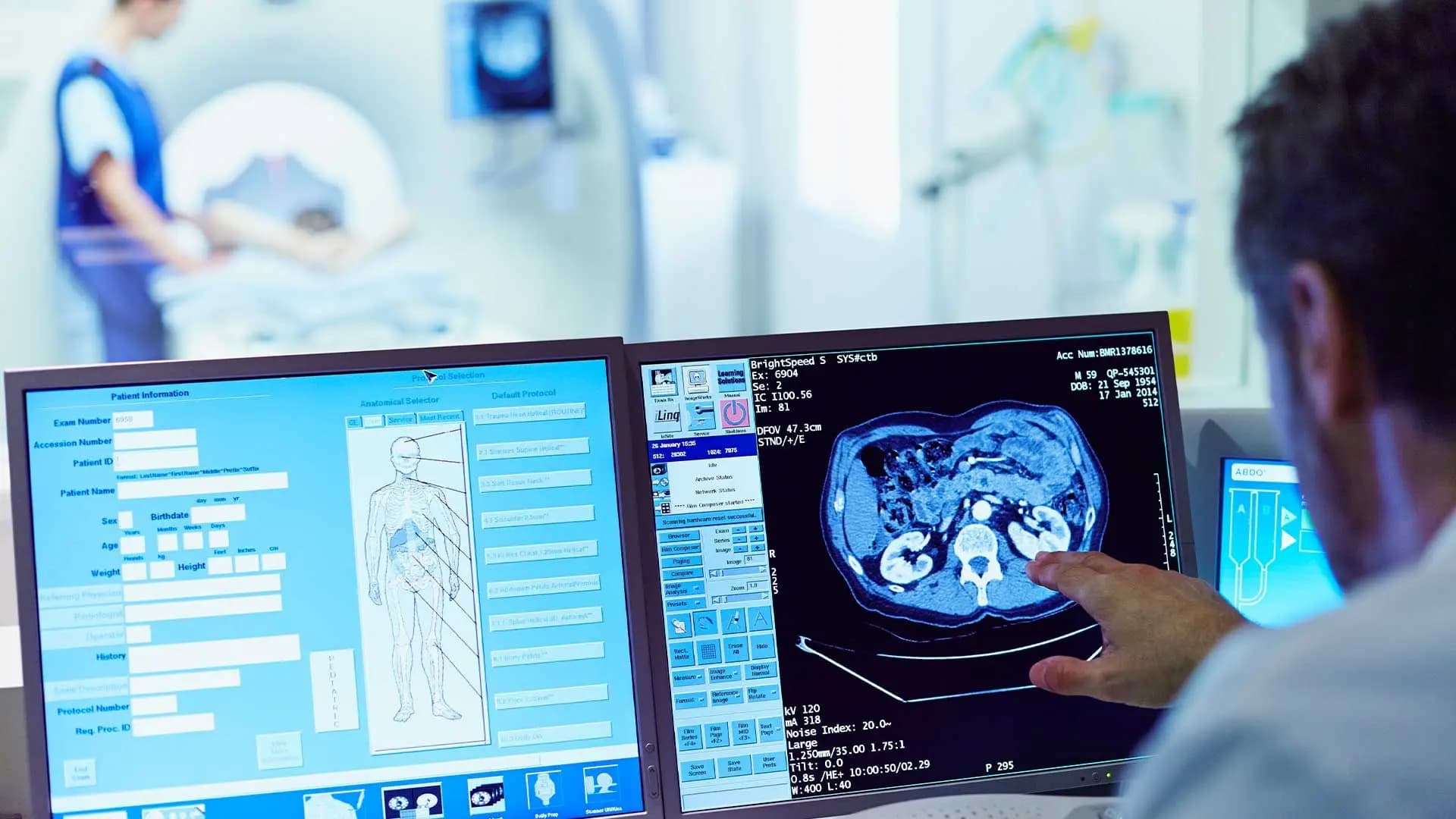
UXD has been applied in some industries for a long time, especially in sectors like transportation and digital commerce. However, in other sectors, it has often been viewed as an unnecessary expense.
That was the case in the medical device industry. Traditionally, the focus has been on fulfilling the device’s purpose and bringing it to market quickly.
Today, many manufacturers recognize that medical device UX design cannot be underestimated. They are strengthening their focus on UXD and adopting feedback-driven processes to deliver safer and more effective products.
The Consequences of Not Meeting Usability Standards
For most people, poor UX means a minor inconvenience—like a frustrating app interface. However, in medical devices, poor UX can have far more serious consequences. In this context, user experience is part of a critical system, where design flaws can literally mean the difference between life and death.
Consider the case of Jenny, a young cancer patient undergoing aggressive treatment that required pre- and post-hydration over three days via intravenous fluids. Nurses were responsible for entering this information into a software application. Unfortunately, critical details about her hydration requirements were missed due to a poorly designed interface. Jenny died from toxicity and dehydration the following day.
The investigation revealed that the interface was overloaded with information, making it difficult to extract what was important. Poor color choices drew attention to irrelevant elements, and critical data was not visible on the main screen.
This example highlights how poor UX design can lead to tragic outcomes. In Jenny’s case, the system overestimated human cognitive capacity, burying essential information and overwhelming users during critical tasks.
UX at the Heart of Medical Device Design and Development
Developing software that directly impacts patient treatment—and potentially lives—is a significant responsibility. As demonstrated, design flaws can have devastating consequences. This is why UXD must be integrated into medical device development from the earliest stages.
By addressing the real needs of healthcare professionals and patients, UXD improves usability and reduces the likelihood of unsafe or inefficient products. Early integration also minimizes long-term errors and reduces the need for costly redesigns.
Effective UX not only enhances safety but also provides a competitive advantage. It reduces the risk of product recalls, protects brand reputation, and prevents financial losses.
Despite this, some manufacturers still see UXD as optional. In reality, incorporating UX early in development helps streamline processes, clarify priorities, and enable adjustments before problems become costly.
Regulatory Spotlight: Integrating UX and Usability Standards
Regulators increasingly recognize the importance of UX in medical devices, especially as users expect experiences similar to those of consumer technologies.
Regulatory frameworks now address usability, including guidance from the US Food and Drug Administration (FDA), the European Union’s Medical Device Regulation (MDR), and the IEC 62366-1 standard.
MDR’s General Safety and Performance Requirements emphasize reducing risks related to user error, taking into account intended use, users, and environmental conditions. Technical documentation must include usability activities, user feedback, and post-market surveillance data.
The FDA has taken a guidance-based approach, outlining requirements and best practices to ensure safe and effective usability.
IEC 62366 focuses specifically on usability engineering, defining development processes that include validation and user interface testing.
How Critical Approaches Medical Device Usability
Many high-profile system failures stem from a poor understanding of how users interact with complex systems. It is not enough to consider only hardware and software—users are an integral part of the system.
Medical device development must evaluate how people interact with critical systems to reduce errors, enhance safety and security, and optimize performance.
At Critical Software, this is achieved through discovery workshops that apply design-thinking methodologies. These workshops define both goals and “anti-goals,” ensuring clarity on what should and should not be included in system design.
Systems are rarely just technical—they involve human interaction. Therefore, usability must account for real-world environments and human cognitive limitations. A holistic, 360-degree approach ensures that users are not overwhelmed and can operate systems safely and effectively during critical procedures.