Medical Device Interoperability

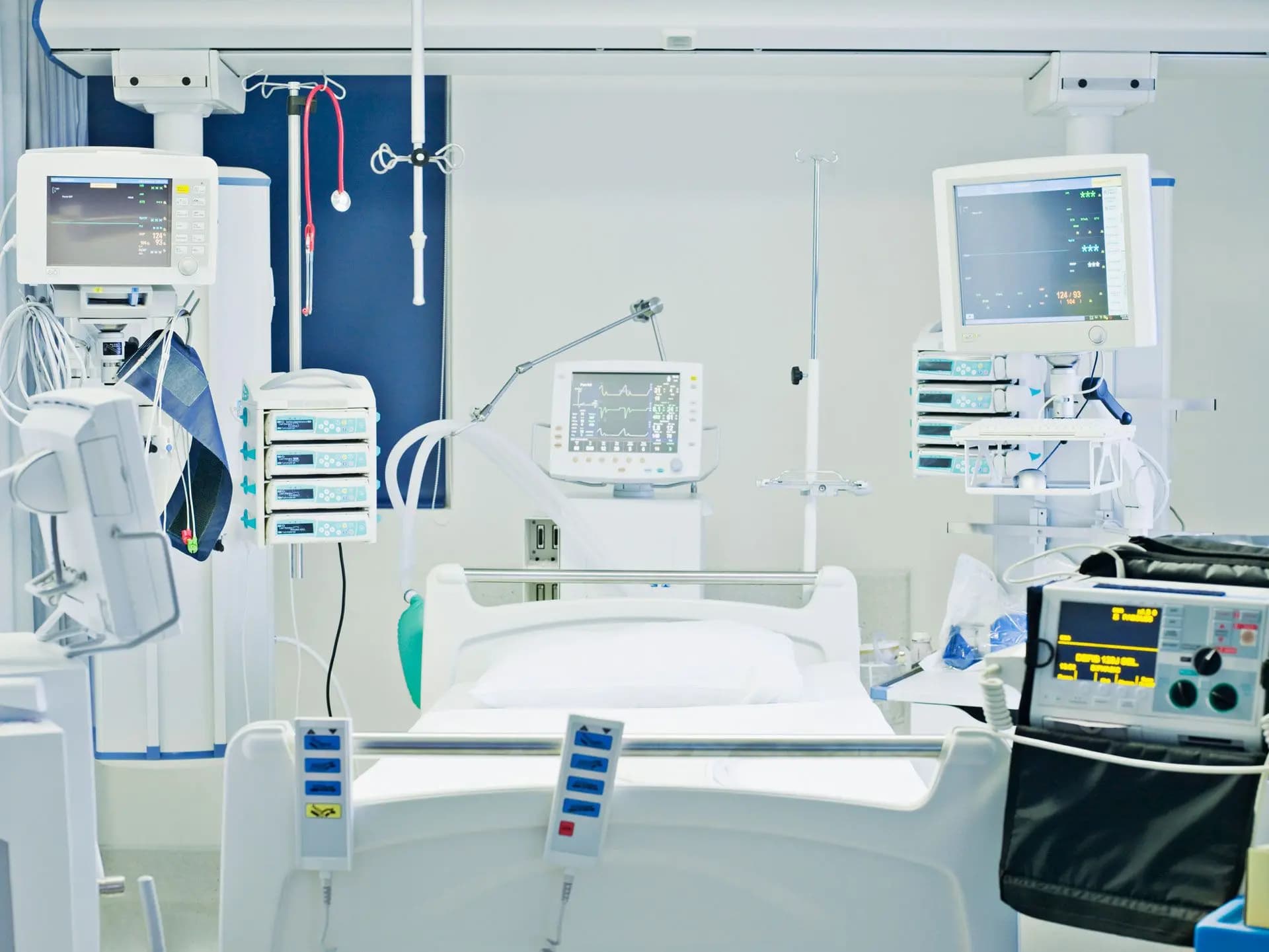
Most hospital devices generate data that never reaches the right system at the right time. Critical Software delivers standards-based, vendor-neutral interoperability — across SDC, FHIR, and HL7 — so clinical data flows continuously, reliably, and where it's needed most.

medical_iso13485
challenge

The integration challenge

Hospitals are generating more data than ever — yet clinical decisions are still made with incomplete, delayed, and fragmented information.

A Critical Blind Spot

Patients are unmonitored for most of their hospital stay. In many facilities, vital signs are still captured manually every four to six hours, leaving long windows where clinical deterioration — including sepsis, cardiac events, and respiratory decline — can develop undetected.

Trapped Device Data

Hospital systems were not built for continuous, real-time device data. Integration remains complex, slow, and vendor-specific, which means data cannot flow reliably across devices, systems, and clinical workflows — regardless of how capable the individual devices are.


Our approach

What interoperability means at Critical Software

Interoperability is often treated as a feature to bolt on. We treat it as an engineering discipline — grounded in open standards, free of vendor lock-in, secure by design, and built to hold up across the full life of a device.

icon

Standards-Based

SDC, IHE SDPi, FHIR, HL7, and DICOM. We rely on open, internationally recognized standards that enable scalable, long-term interoperability.

icon

Secure-by-Design

Every integration layer is engineered to meet the stringent cybersecurity and regulatory requirements of modern medical-device environments.

icon

Vendor-Neutral

No proprietary lock-in. Our solutions work across device manufacturers and clinical systems without custom interfaces.

icon

Lifecycle-Aware

We design for the full device and system lifecycle, from onboarding through updates, evolution, and regulatory re-certification.

HEALTHCARE ECOSYSTEM

Why this matters across the healthcare ecosystem

True interoperability doesn't serve one stakeholder — it changes outcomes across the entire chain of care. From the hospitals delivering treatment, to the manufacturers building the devices, to the patients depending on both, connected data creates value at every level.

md-interoperability-hospitals
For Hospitals

SDC, IHE SDPi, FHIR, HL7, and DICOM. We rely on open, internationally recognized standards that enable scalable, long-term interoperability.

md-interoperability-manuf
For Device Manufacturers

Integrate devices faster through a standards-based approach, without custom interfaces or proprietary dependencies.

md-interoperability-patients
For Patients

Support safer care through continuous, real-time monitoring and earlier detection of clinical deterioration.

INTEROPERABILITY ASSESSMENT

Is your environment truly interoperable?

Most hospitals and device manufacturers assume their systems are connected. Our interoperability assessment helps identify where the gaps actually exist — and what it takes to close them. Takes 3 minutes. No login required. Immediate results.

01
Assess

Evaluate your device connectivity and data-flow maturity across the systems you rely on every day.

md-interoperability-hospitals
02
Identify

Pinpoint the integration, regulatory, and cybersecurity gaps standing between you and true interoperability.

md-interoperability-manuf
03
Get your report

Receive a personalised readiness report covering connectivity, data standards, alarm management, cybersecurity posture, and regulatory readiness.

md-interoperability-patients