Healthcare Urgency: How to Address Medical Device Security
Software is becoming an integral part of healthcare, offering many benefits while also introducing potential risks, including vulnerabilities in medical devices. Learn the key factors that contribute to these risks and how partnering with Critical Software can strengthen your cybersecurity posture.
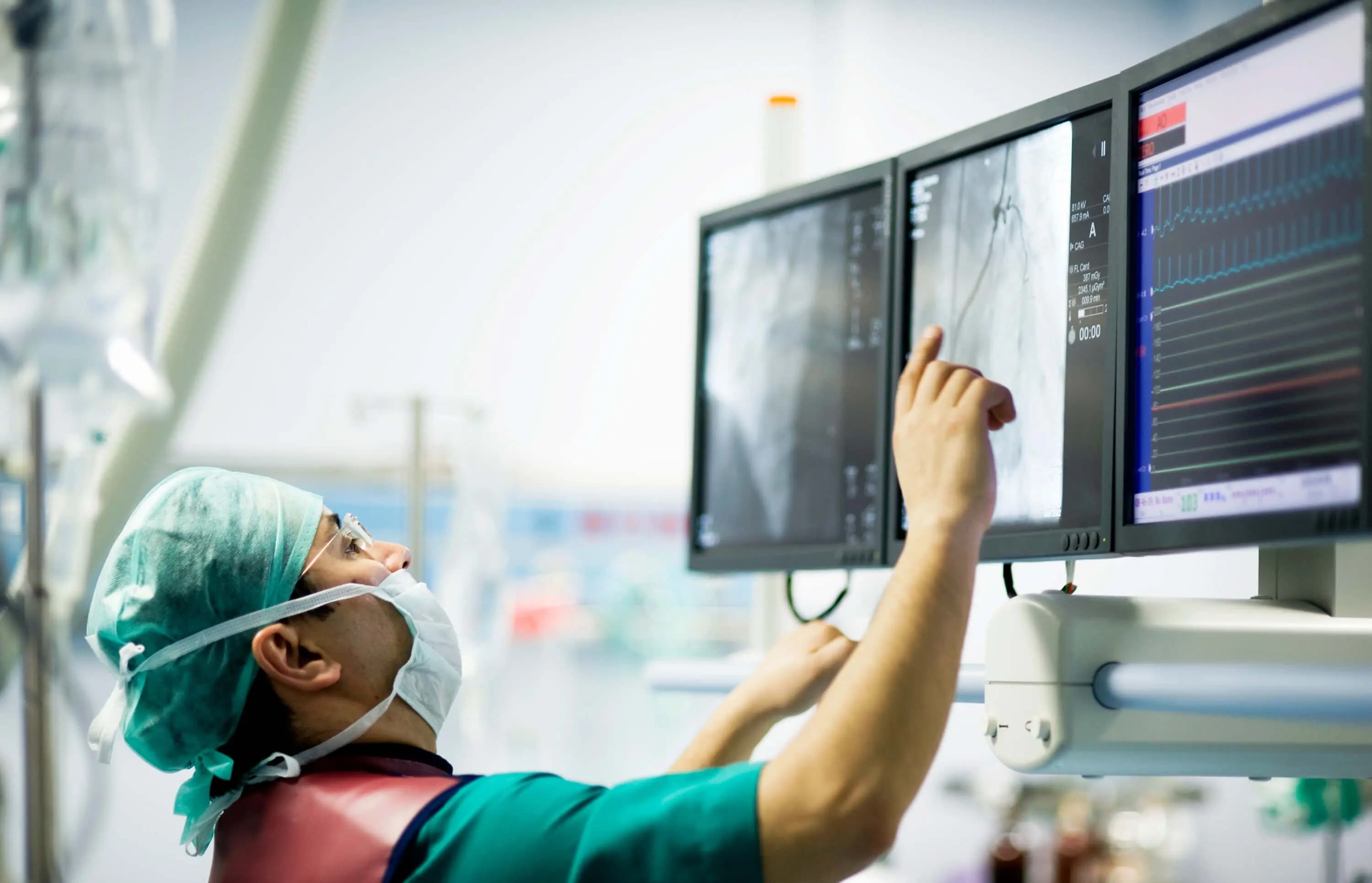
Medical devices are increasingly connected to the internet, hospital networks, and even other equipment—all intended to improve care and support healthcare providers.
However, this technological integration also introduces significant security concerns. Like any computer system, connected healthcare equipment is susceptible to hacking and cyber attacks.
From insulin pumps to cardiac implants such as pacemakers, imaging and diagnostic devices, to data management systems, all are vulnerable to cyber threats, with consequences that can include:
Device malfunction
Breaches of personal data
Inability to access critical information
The question is: why are medical devices so vulnerable, and what measures can be taken to reduce risk?
Interconnectivity and the proliferation of IoT devices in healthcare are major advantages of modern medical technology. At the same time, these connections increase exposure to cyber threats.
As manufacturers strive to make devices safer, hackers look for vulnerabilities—highlighting the urgent need for robust cybersecurity measures in medical devices.
The Evolution of Medical Device Updates
As healthcare equipment becomes more networked, cybersecurity challenges multiply. Maintaining software updates and compliance is critical but often complex, creating potential delays and new vulnerabilities. Legacy operating systems in hospitals further complicate updates, increasing the risk of security breaches. Devices no longer receiving updates are particularly at risk, giving hackers potential entry points and endangering patient safety.
While manufacturers are transitioning devices to networked systems to meet market demands, cybersecurity concerns remain especially acute for devices not originally designed for interconnectivity.
Regulatory Safeguards and Lifecycle Cybersecurity
Historically, gaps in regulation and market pressure have left some manufacturers unprepared for cybersecurity threats. However, rising attacks have prompted a shift in awareness and strategy.
Manufacturers now recognize the need to integrate cybersecurity throughout the product lifecycle. A comprehensive approach—from corporate policies and internal processes to system design—is essential. This shift highlights the growing importance of medical device security in protecting patients and healthcare providers alike.
Defining Cybersecurity Standards in Medical Devices
A unified approach to cybersecurity standards is urgently needed in the health sector. Guidelines enforced by organizations such as the FDA and the European Commission place pressure on manufacturers and regulators to prioritize security. These regulations are critical to ensuring trust and safety for both healthcare providers and patients.
Guarding Against Cyber Threats
Addressing cybersecurity threats in medical devices is complex, and complete elimination of risk is extremely difficult. However, manufacturers can take proactive steps to mitigate and manage risks effectively. Success requires collaboration, ongoing communication, and a proactive mindset across teams and stakeholders.