Testing Power – Getting Smart Meters Right
One of our smart meter experts explains the importance of smart meter testing, from having the right expertise for verification and validation to the regulations and specifications that need to be adhered to.
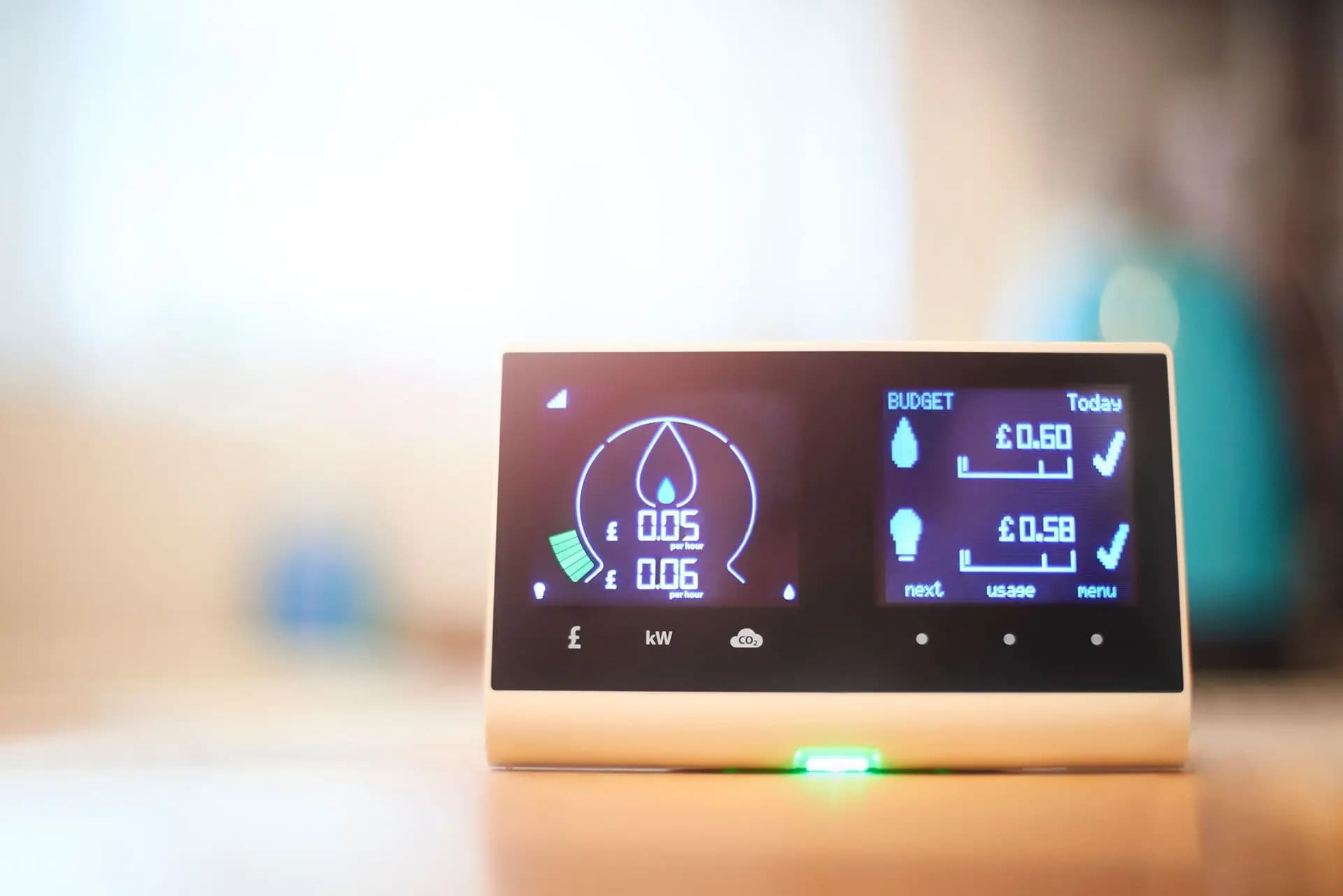
When you’re looking at a product, it’s rare to reflect on the process that takes it from idea to reality, to the point where the user is finally experiencing it. There’s no doubt that one of the key stages in this journey is testing. Testing ensures a product works as it should and, crucially, that it is safe to use. Arguably, the more common a product becomes, the less likely people are to think about this long process—from concept to something fully tested and assured for use. As smart meters become more and more of a staple within households, they too will likely fall into this category.
The concept of testing can be summed up by a simple question: “Does the system behave as specified?” To answer that question, we need to focus on two ideas: "specification" and "people." Testing activities cannot be meaningful unless there are specification requirements to test against—namely, how the system should behave in certain situations—and the experience of the people executing those tests is considered.
This clearly applies to smart meters; they need to be tested to ensure they are accurate, reliable, and safe, as any malfunction could result in incorrect data being recorded, leading to inaccurate billing and potentially significant economic and reputational damage. However, when discussing testing, smart meter manufacturers and energy suppliers face a range of difficult and complex challenges.
Regulations & specifications
To ensure smart meters are safe and perform as expected, manufacturers and energy suppliers must follow several often complex regulations, protocols, and specifications. This means smart meters need to be fully tested before entering the market. Devices must accurately comply with required standards, such as the Measuring Instruments Directive (MID). Firmware must also be properly developed, tested, and integrated. All of this occurs before considering DLMS/COSEM protocols, companion specifications, or SMETS2 and CPA approval. Naturally, this requires significant investment in both time and cost for a smart meter to reach deployment.
An additional layer of complexity comes from GBCS (the Great Britain Companion Specification). GBCS defines how a smart meter must securely communicate between the consumer’s home and the Data Communications Company (DCC) infrastructure. Within these specifications are DUIS (DCC User Interface Specification) and MMC (Message Mapping Catalogue). At this stage, the focus extends beyond profile data and metrology into areas such as key encryption and complex communications.
GBCS and DUIS specifications are highly regulated and controlled, but they are not static. Updates and changes occur, meaning manufacturers must continuously stay informed about evolving requirements.
Changes & updates
Although changes to specifications and regulations are relatively infrequent, when they do occur, they must be reflected in the smart meter’s firmware. At this point, the testing cycle begins again, and associated costs continue to accumulate.
Energy suppliers also face increasing pressure to ensure firmware updates are properly implemented across their metering fleets. This requires a level of due diligence that goes beyond their traditional role. Suppliers are also responsible for deploying firmware updates, yet they are not typically specialized device testing organizations and may lack the capacity for exhaustive testing. Additionally, this introduces a level of engineering expertise that suppliers have not historically needed.
Lack of expertise
Amid these challenges, there is growing concern that insufficient testing may occur prior to smart meter deployment. This can be due to multiple factors, including pressure to meet government rollout targets and the perception that testing expertise is prohibitively expensive.
Expertise, knowledge, and process are all critical components of effective testing. A wide range of skills is required to properly test smart meters and ensure compliance with regulatory bodies such as SEC. Testers must be capable of working with profile data and metrology, as well as communications encryption and emulation. This is in addition to regression and destructive testing capabilities, which provide greater assurance of quality, availability, reliability, and scalability for these mission-critical devices.
Naturally, this expertise comes at a cost. Salaries and specialized equipment can quickly increase expenses when assembling the required skill sets and resources. As a result, many manufacturers have turned to simplified automated testing solutions that can perform a variety of tests more quickly than traditional approaches. However, these systems still require skilled personnel to operate them effectively, meaning the expertise gap remains a key challenge.
Critical Software’s work in developing smart meter testing solutions represents one part of a broader effort to improve quality assurance. Our SMITEn testing infrastructure provides clients with a fully integrated toolkit that supports a wide range of test scenarios for SMETS1 and SMETS2 smart meter devices. This includes the emulation of multiple devices and endpoints, which is particularly useful for manufacturers whose equipment does not yet have a live connection to the Data Communications Company’s network.