The Express Train to Condition-Based Maintenance
Keeping trains in optimal condition is key to safety. Explore how effective asset management can help maintain trains and reduce costs.
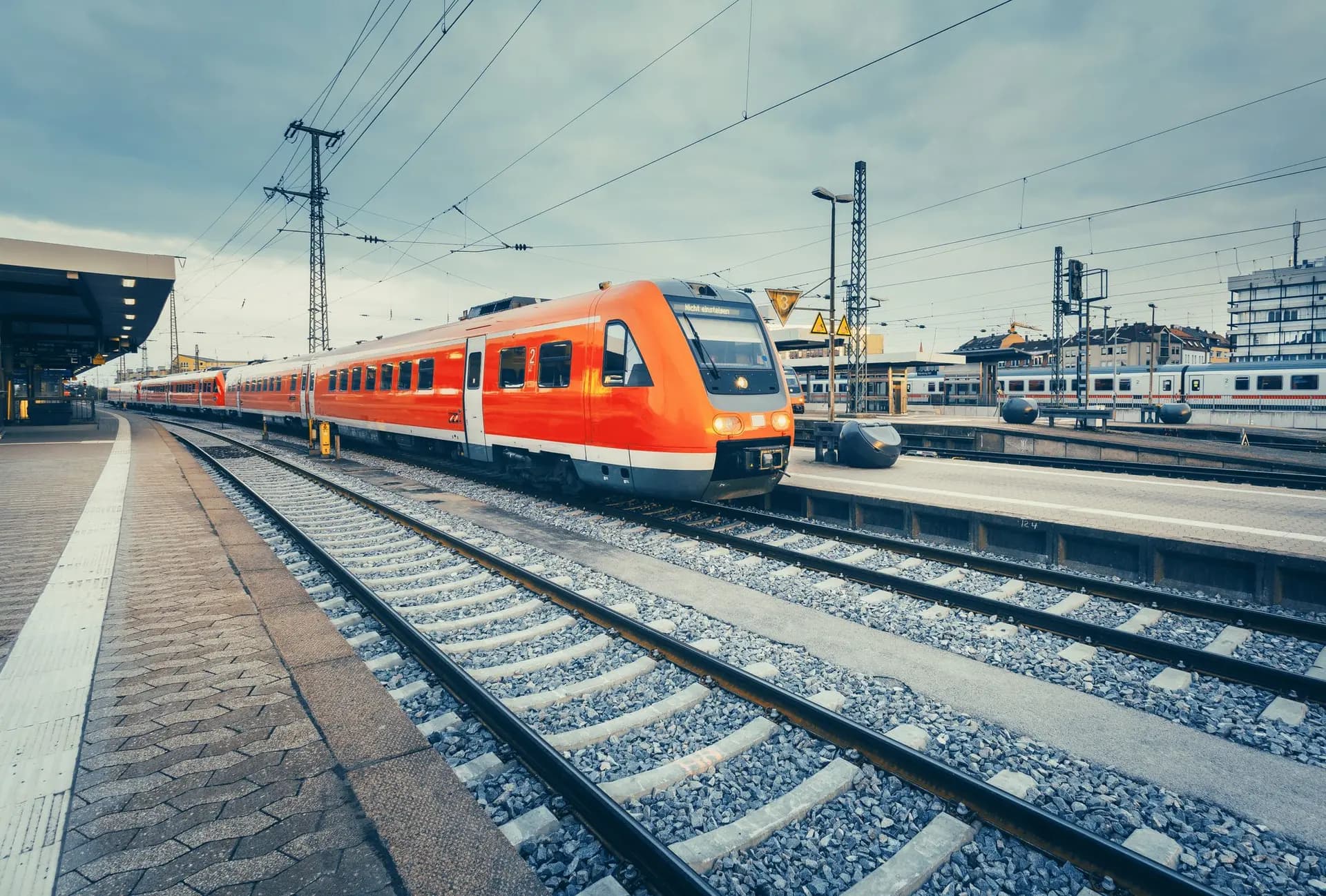
Britain is now one of the leading countries in Europe when it comes to operating national rail networks. Usage has more than doubled over the last two decades, hitting a record 1.6 billion passengers a year, with no signs of growth slowing. Passenger numbers are expected to rise year on year, and because of this, rail operators are looking at ways to maximize capacity by putting existing stock and infrastructure to better use.
One way of achieving this is by streamlining asset monitoring and maintenance processes. If operators can improve the way safety checks and maintenance activities are carried out, they will see increased productivity and a higher number of passengers transported, because their trains will spend more time in operation and less time being serviced. The industry is no stranger to monitoring assets for wear and tear, but are companies taking full advantage of the more recent innovations available?
Keeping trains in optimal condition has traditionally required comprehensive visual inspections, typically completed by an overnight workforce. This can cause delays, is costly, and is prone to human error. In contrast, asset monitoring is a straightforward way to pinpoint the optimal time to repair and replace parts, keeping costs down and services running efficiently.
Nowadays, new rolling stock often comes equipped with a variety of built-in sensors ready to monitor components and alert operators to faults. However, no consensus has yet been reached by Train Operating Companies (TOCs) on which particular sensors are best to use. Additionally, a definitive method for maintaining these sensors has yet to be determined, posing challenges around quality and safety. Onboard sensors also present difficulties when retrofitting them to older stock. Installing these sensors on aging trains can be expensive and is often a short-term solution; once the trains become more costly to repair than replace, they will be retired.
So, is there a better alternative? Yes! Wayside sensors. If operators can accurately monitor the integrity of both old and new trains without taking them off the track, the result is better stock management and increased availability. The Alstom TrainScanner™ is a system that offers such an approach. As trains pass through carefully positioned lasers and cameras, status measurements are taken and converted into readable data. This data then provides accurate and actionable information on the hundreds of components trains contain, helping improve the strategies operators use to manage stock deterioration. This raises safety levels and allows for more cost-effective and efficient maintenance planning.
It is fair to say that most TOCs would be eager to take advantage of such a system, so communicating how wayside sensors can be used for more than just reactive maintenance is key. The shift away from outdated, spreadsheet-based data management methods is already underway, but the question remains: is it happening fast enough? Passenger numbers are increasing at record speeds, and maintenance procedures must be shifted to a faster, safer track if operators want their trains moving rather than stuck at the platform.